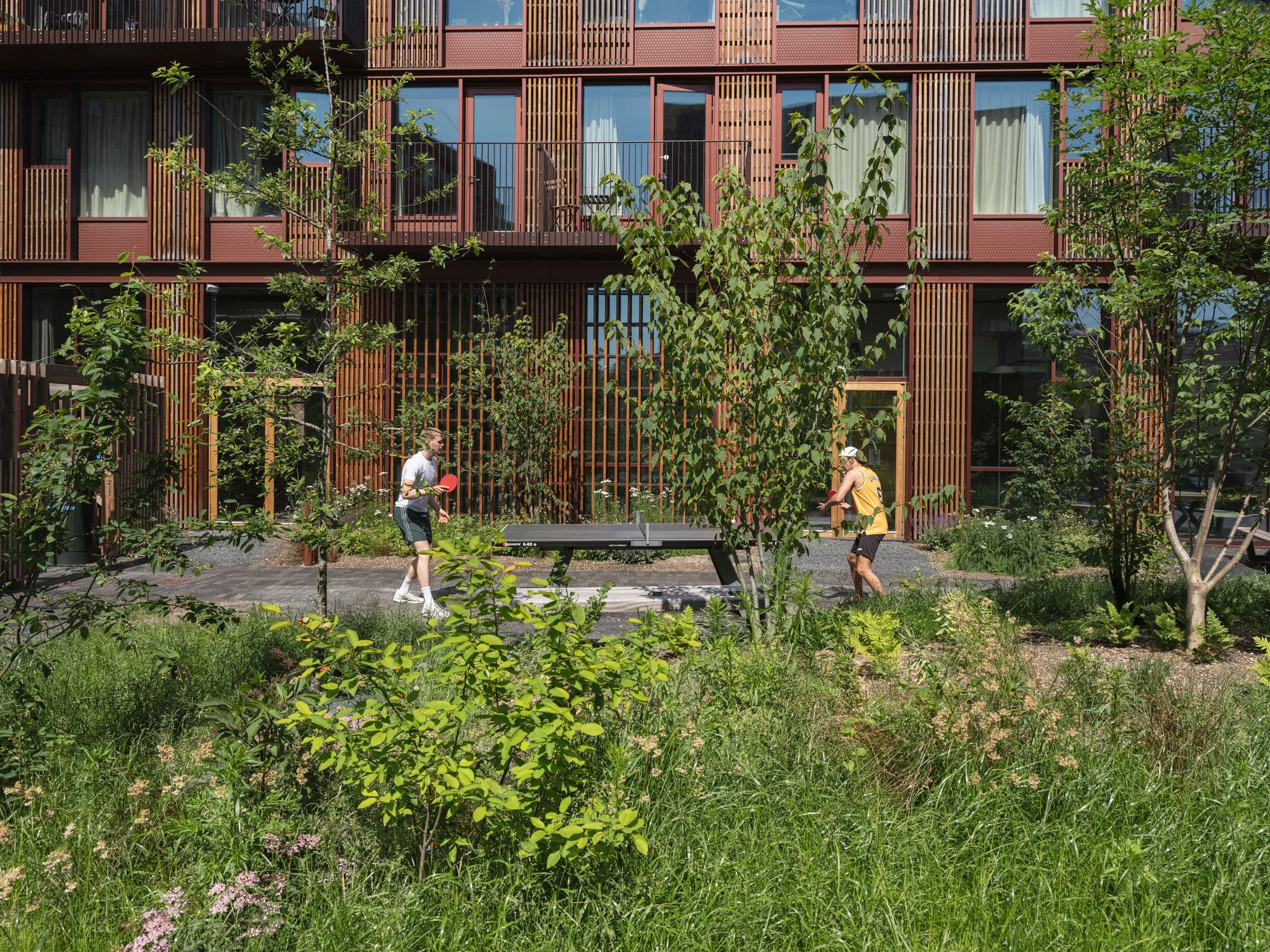
As we conclude our series on how architectural quality can elevate micro-living, we’re taking a closer look at key elements that connect residents, city, and landscape at Harmonikahusene (UMEUS Noli) in Frederiksberg, Denmark:
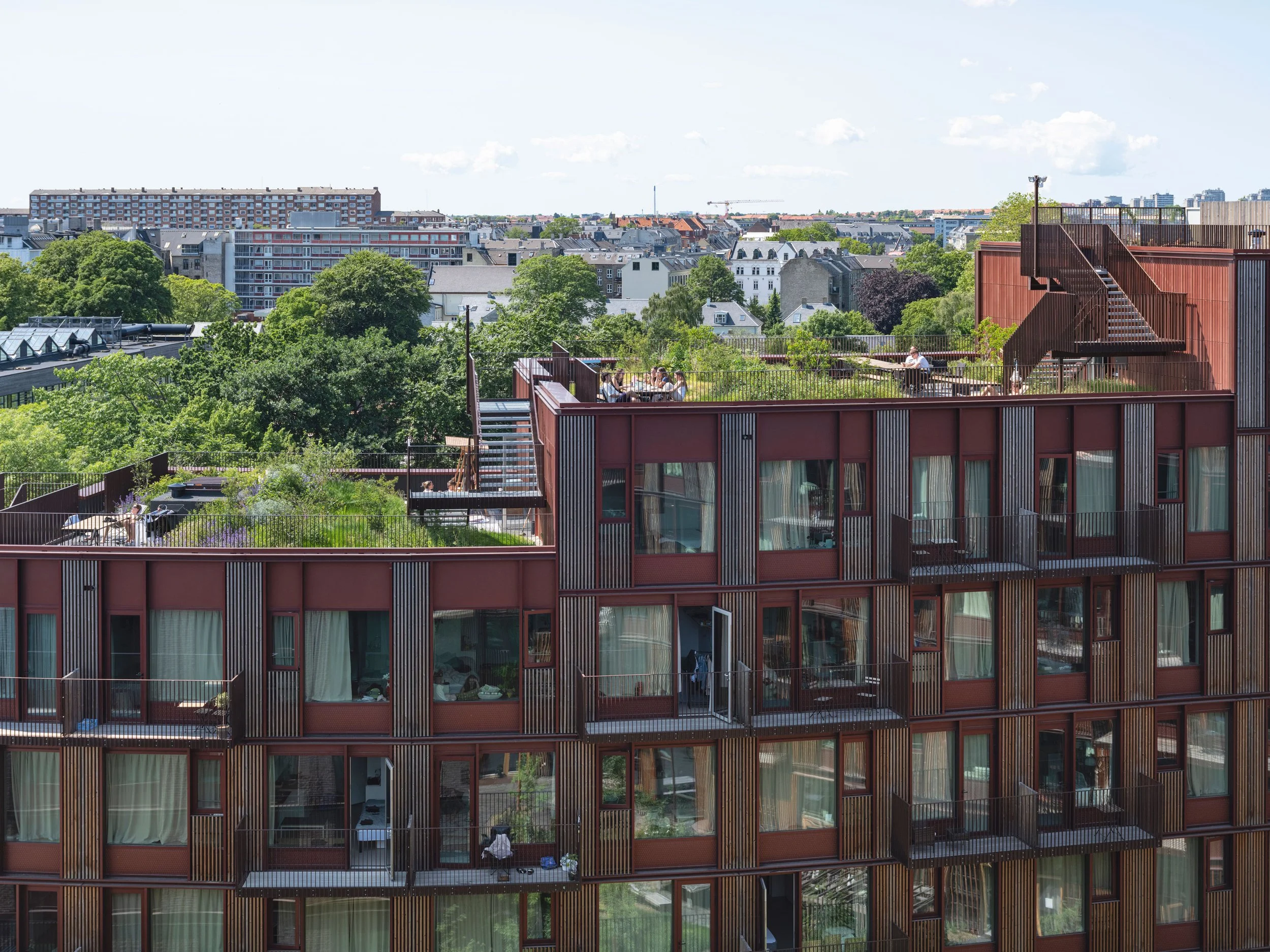
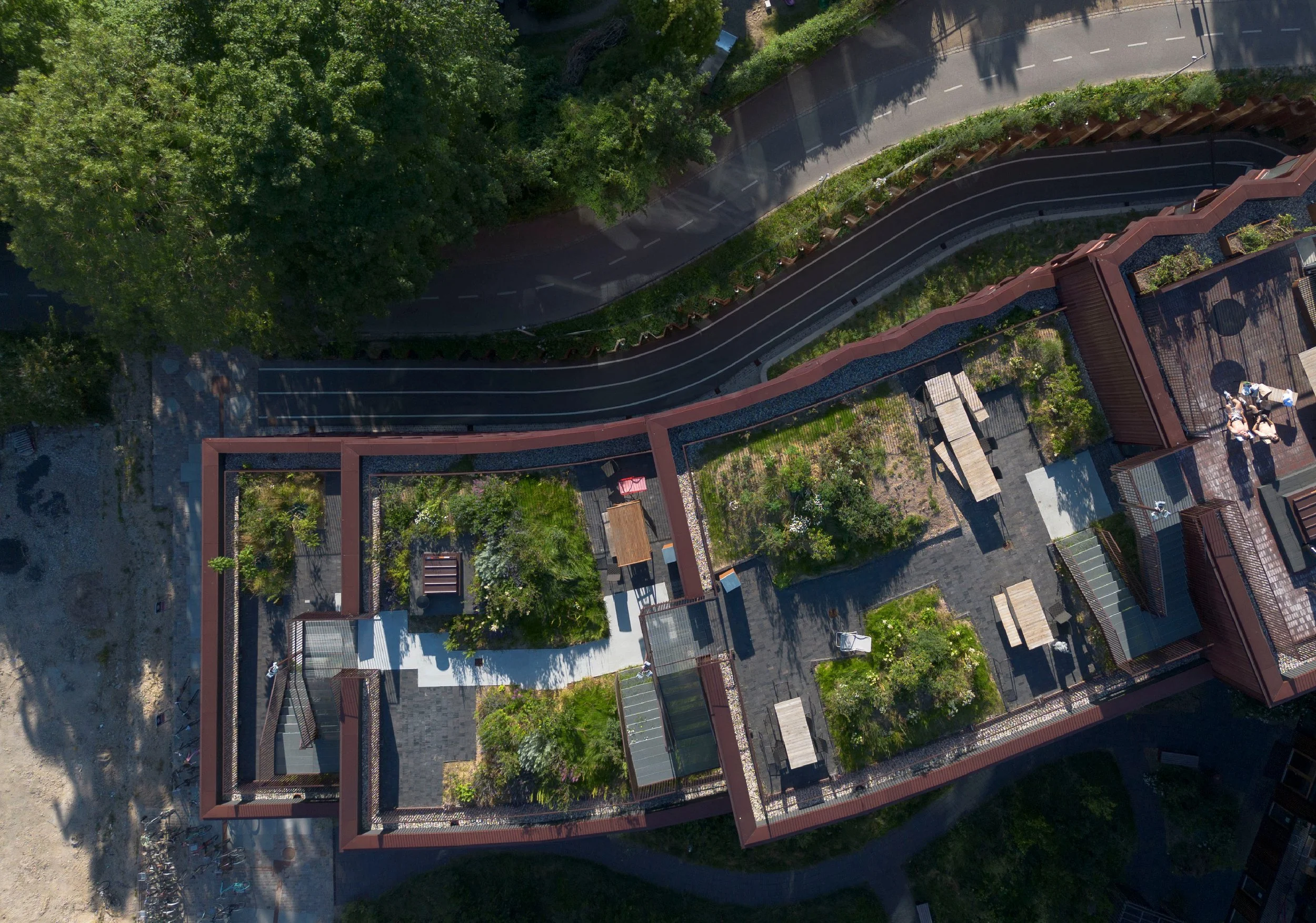
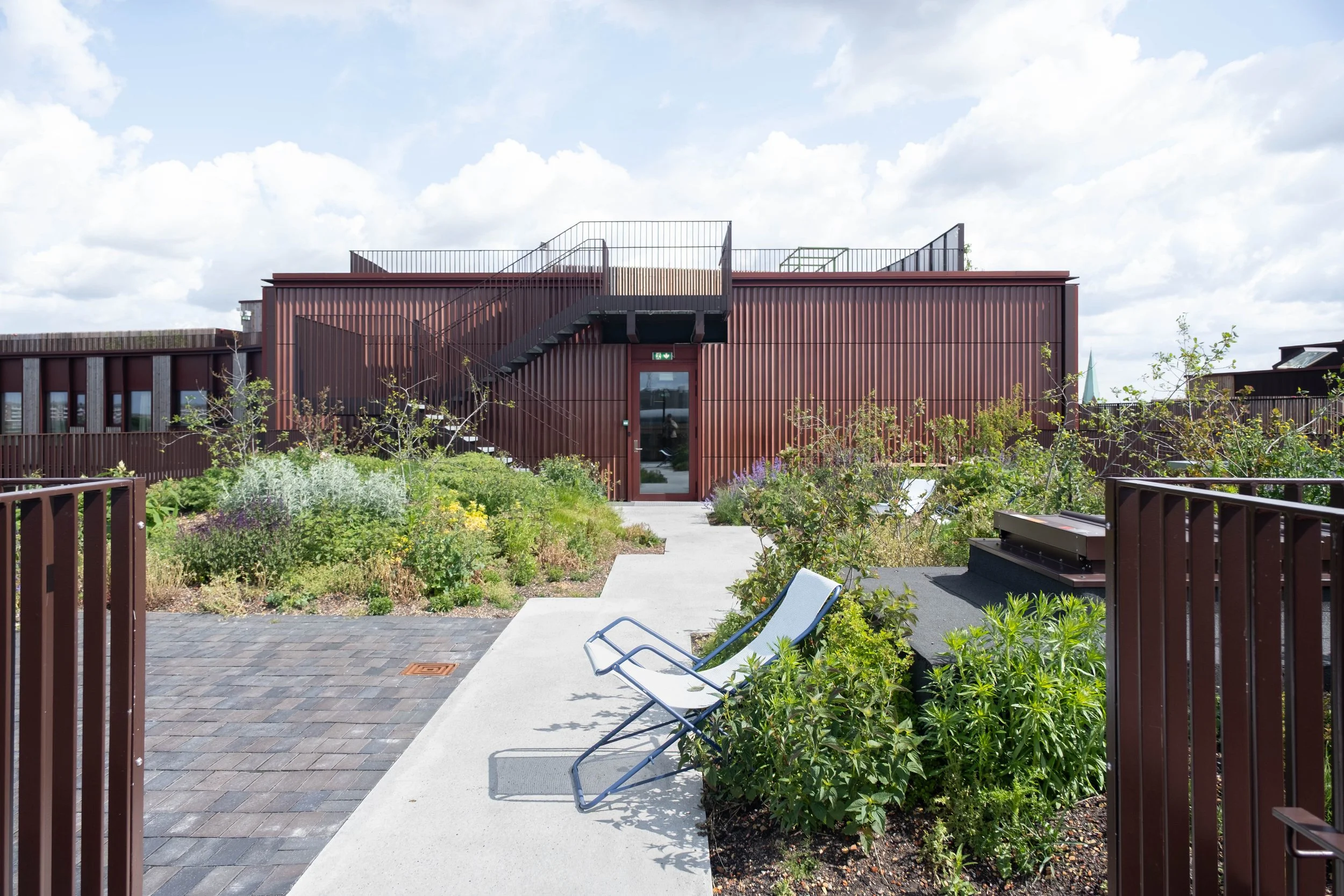
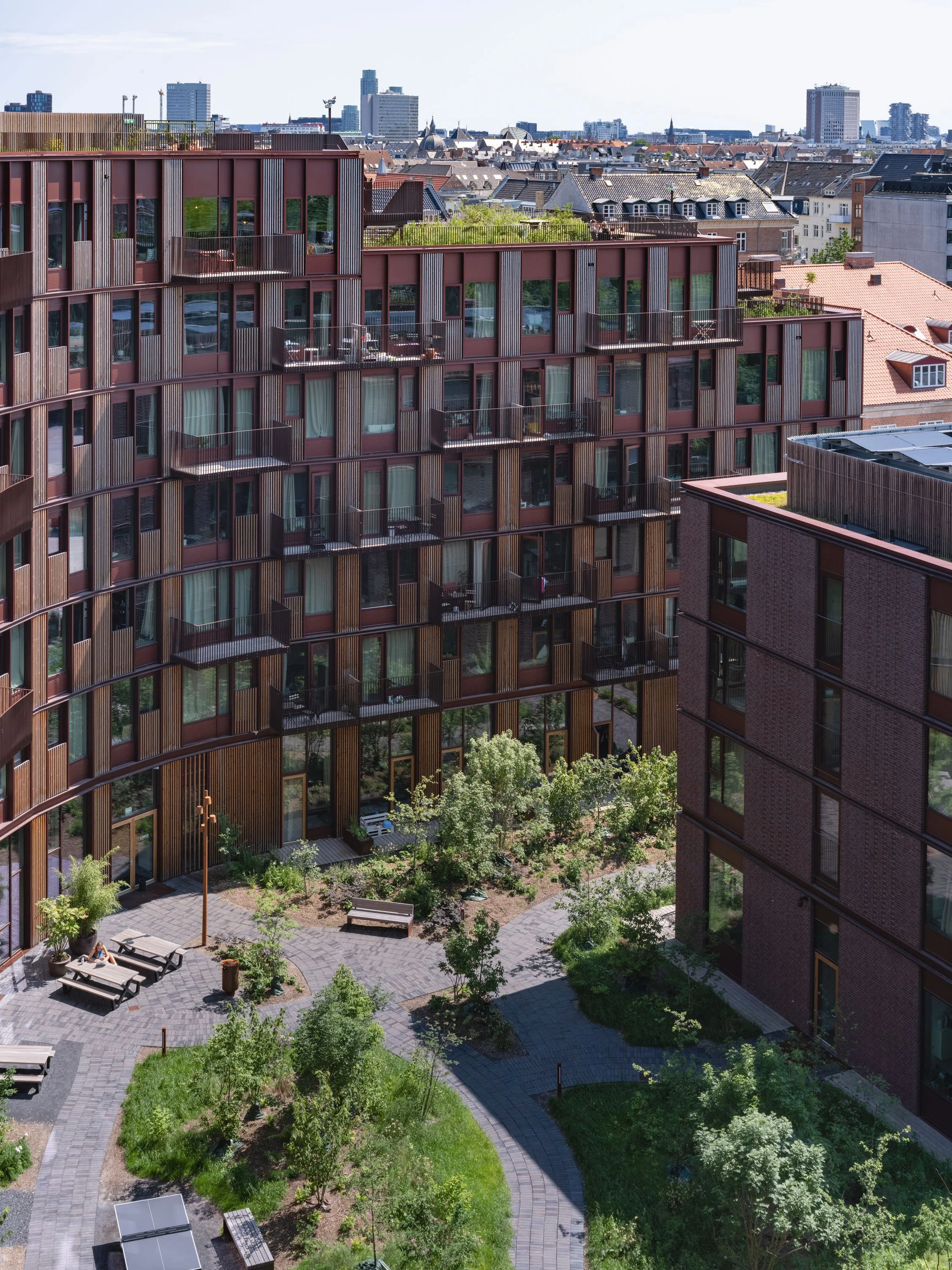
Emphasizing communal living through shared public courtyards and rooftop gardens that support both relaxation and social interaction
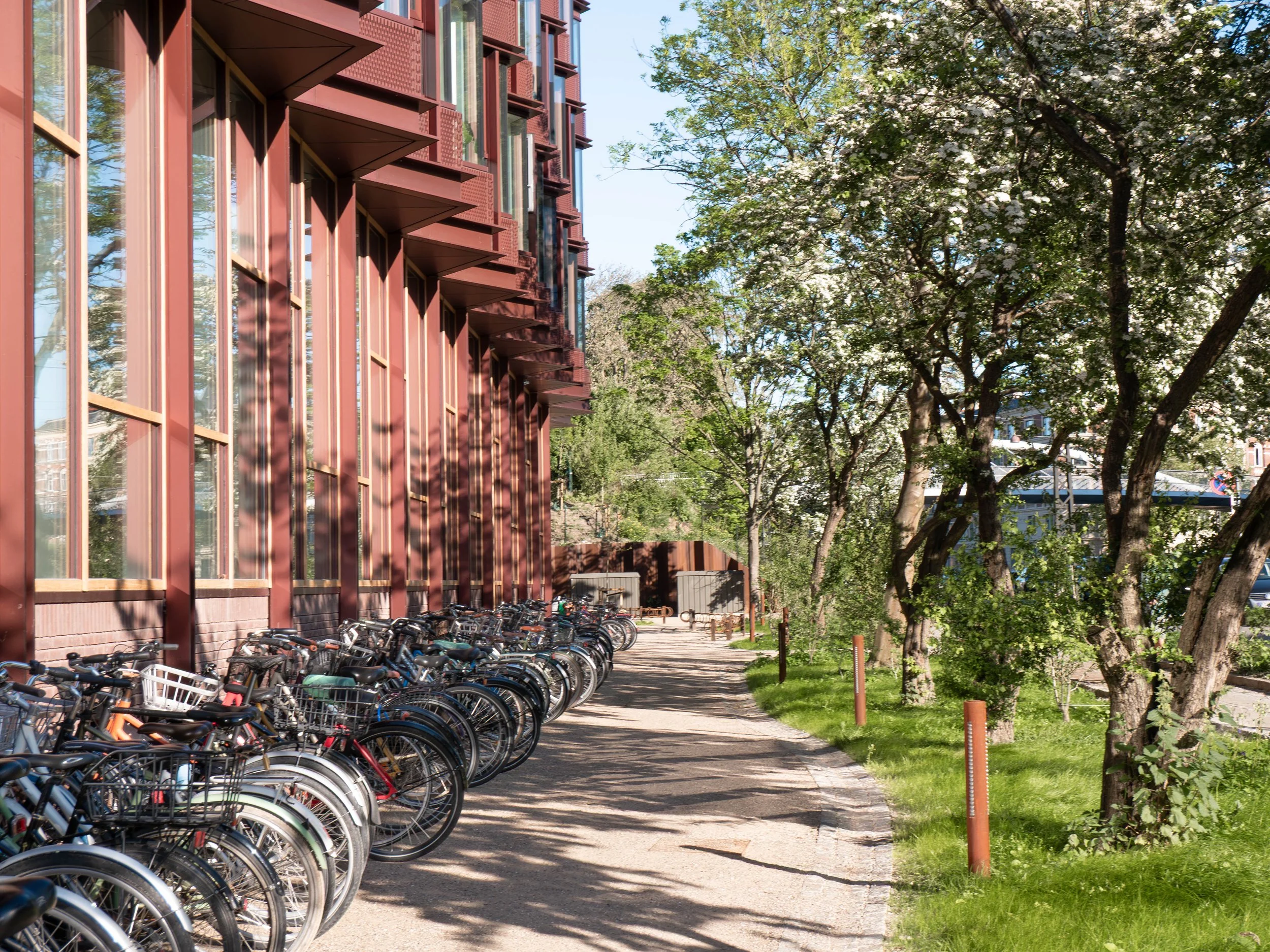
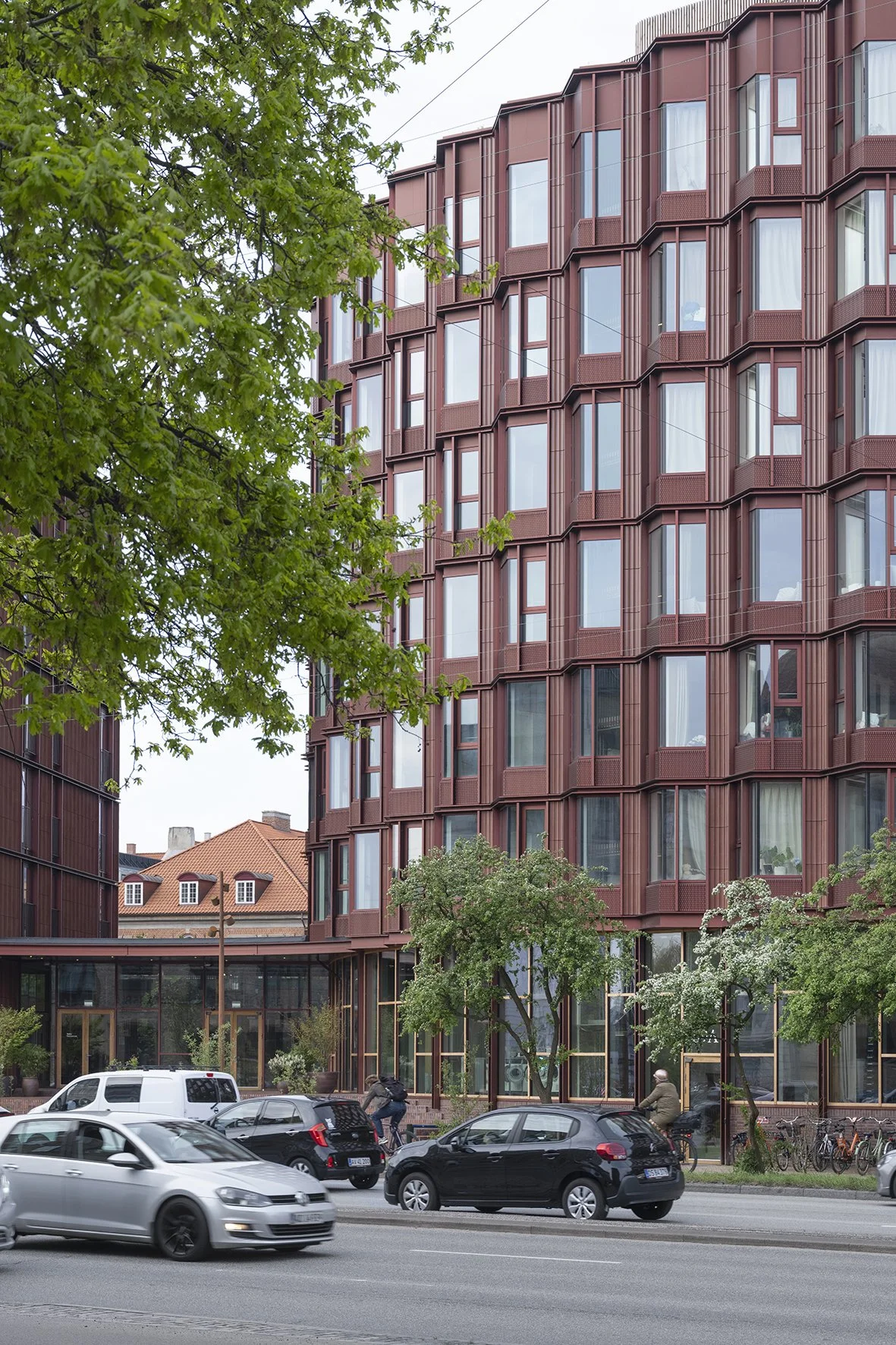
Creating a generous planted buffer by setting the building back from the busy Åboulevard, shielding residents from traffic noise while offering green views – even from lower-floor apartments
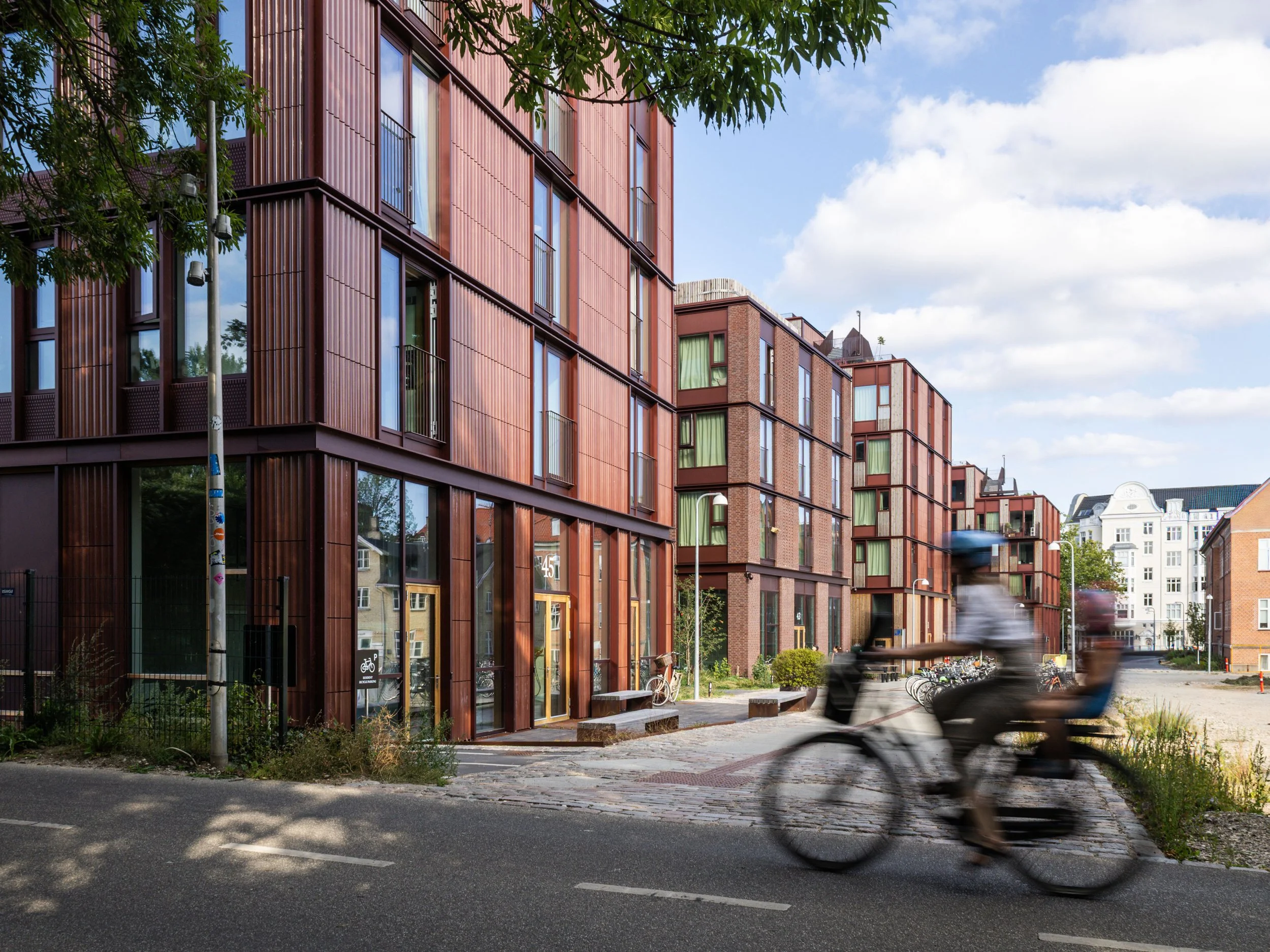
Activating a light-filled ground floor with step-free access to the outdoors, where cafés, study areas, and shared facilities foster interaction across 700 homes and the wider Frederiksberg community
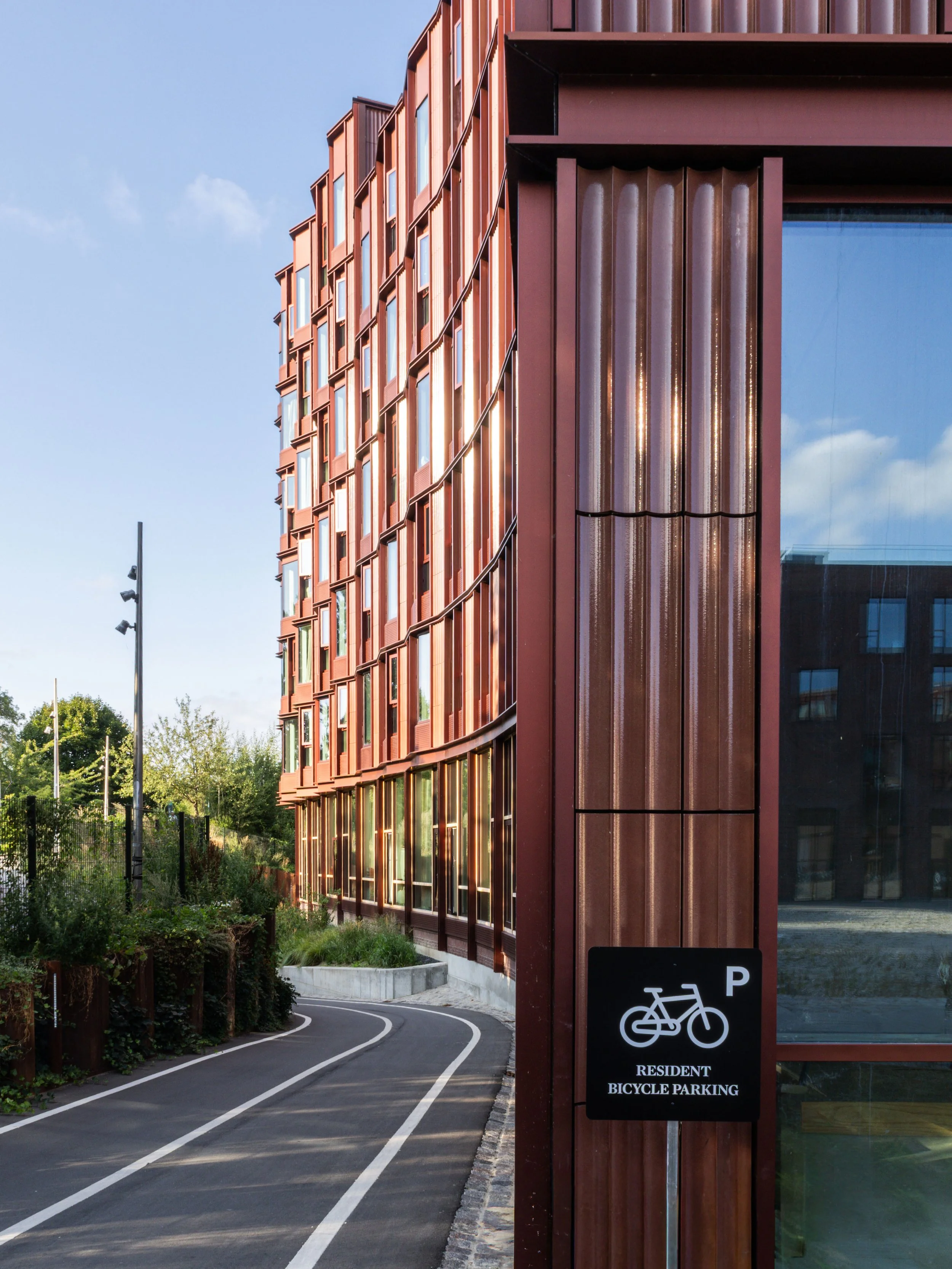
Providing direct access to Copenhagen’s supercycle path, supported by over 1,100 bike spaces and a ‘bike-in, bike-out’ ramp connecting residents easily to universities and urban amenities
Designing apartments with panoramic bay windows, smart zoning for compact living, and communal kitchens on every floor, while a gently curving building form creates an open, organic flow
As resident Matthew LeGallais, 23, from Toronto, Canada, studying Law at KU, shares:
"I feel at UMEUS one difference is that there's a much broader community with all residents in the building […] It's very easy for me to get to school in KU. Also, just a ton of great bakeries just up the street in Nørrebro and as a runner, I love how close we are to the lakes."
The development also safeguards space for a local park, welcoming the wider community and enhancing Frederiksberg’s urban fabric.
Thank you to Urban Partners (formerly Nrep) for the collaboration on this project.
Photos: Marco Antonio Ravini, Justin Gödke, Niels Nygaard Photography, Samuele Agrimi